Arts & Culture Writing From Between 10 and 5I was Cape Town correspondent for Between 10 and 5, South Africa's leading arts and culture platform, writing features, profiles, and op-eds on the local creative scene. This work earned me the BASA Silver Award for Arts Journalism.
An Ode to the Graphic Tee
Dear Graphic Tee,
We are indebted to you. There aren't enough lookbooks or selfies to thank you for keeping our fashion sense on fleek. If fashion were food, you'd be a staple meal. You are quintessential to our wardrobes and always have our backs.
You're there when we're on the sports field hungry for victory, when we feel the rush of cool air as we zigzag through pedestrian-filled streets on our skateboards and when inspiration pulses through our veins as we pull all-nighters to meet a client's deadline. You're even there when we take a respite from the world and enjoy a lazy day of Netflix and chill.
Like sneakers and jeans, your versatility is astounding. You're a devil-may-care dress on a beach day, a dapper shirt underneath a blazer at a cocktail party, a practical crop top at a weekend music festival, or a trusted gym garment willingly absorbing beads of sweat as we work out the alcohol from last night's craft beer binge.
Did anyone ever tell you that you're a phenomenon? Madonna's continuous reinvention has nothing on you. Like her, you too ditched modesty for provocation. You went from being underwear in the early 1900s to becoming part of the army and navy's uniforms in the 1940s to proclaiming "The Future is Female" when promoting the first women's bookstore in 1975 in New York.
From local label, Sol Sol's 'Lazy Summer' Lookbook
Celebrities and brands owe you big time for their successes. James Dean should have thanked you for propelling him to fame in Rebel Without a Cause. Nothing says classic bad-boy more than a white t-shirt, jeans and red jacket. A button-up shirt would never have worked.
Does adidas realise it's the white t-shirt Pharrell wears in the Adidas Makes Me Happy campaign that urges us to buy Stan Smiths? That crisp tee does wonders. Having a Grammy-winning artist endorsing the brand has no correlation to our consumers' impulses.
Similarly, your 'Vote for Pedro' slogan on Napoleon Dynamite's chest turned him into one of the most enduring on-screen nerds to grace the silver screen this century. Even Pulp Fiction's Vincent Vega and Jules Winnfield and Aliens' Rico Frost wore graphic tees. Do you know how tough you made them look? The guns had nothing to do with it.
But, let me not digress. It was only during the '60s and '70s when you discovered Plastisol inks that you reached adolescence and took advantage of mass-production to share our angsty slogans with the world. You embraced the counterculture revolution and consequent eras of peace and love, political protest and democracy. We've seen you marketing The Rolling Stones (who can forget their tees with the iconic 'Tongue and Lips' logo), and most importantly in South Africa, showcasing vital truths by students during the #FeesMustFall movement.
Exalted graphic tee, you are worn by people who have names starting with every letter of every alphabet. Without you, street style would be incomplete and start-up labels would die. You know, Italian fashion icon, Giorgio Armani holds you in high regard and is quoted saying, "I've always thought of the T-shirt as the Alpha and Omega of the fashion alphabet".
You've invaded every sub-culture without imposing your beliefs on anyone. You make Hipsters, Goths, Greasers, B-Boys, Metalheads, Sea Punks, and even my grandmother look good. Heck, now and then Mandela, who preferred his formal patterned shirts, was even seen wearing you. Once, he donned an ANC t-shirt with a call-to-action slogan saying, "Get an ID. Register. And Vote".
Dearest graphic tee, don't feel bad about petulant teenagers, who receive you as a kitsch island holiday souvenir and never show you off outdoors. I'm sure you too would be embarrassed to walk around with Comic Sans printed on your front. Don't ever think you're cheap because you're purchased in large quantities when there's a 3 for 2 special at Cotton On.
You're a protesting placard, a poem, a flirtation, and a work of art. Your words encapsulate the energy of zeitgeists. The text inked on your fabric expresses our loftiest ideals and individual beliefs. Even if a R30 statement tee with the words "Sassy Since Birth" doesn't incite the same action as an original Che Guevara t-shirt did, it does reveal the wearer's general life attitude.
Let's not forget, you speak truth to power and are the mouthpiece of a street style generation.
*This article was published in Between 10 and 5 in 2016.
The Wild West Finds Its Fit in South Africa's Film, Fashion and Photo Scene
Stetson hats, cowboy boots, "western" snap shirts, and other tropes of Western movies have made a resurgence on runways, in films, and across the art scene in South Africa.
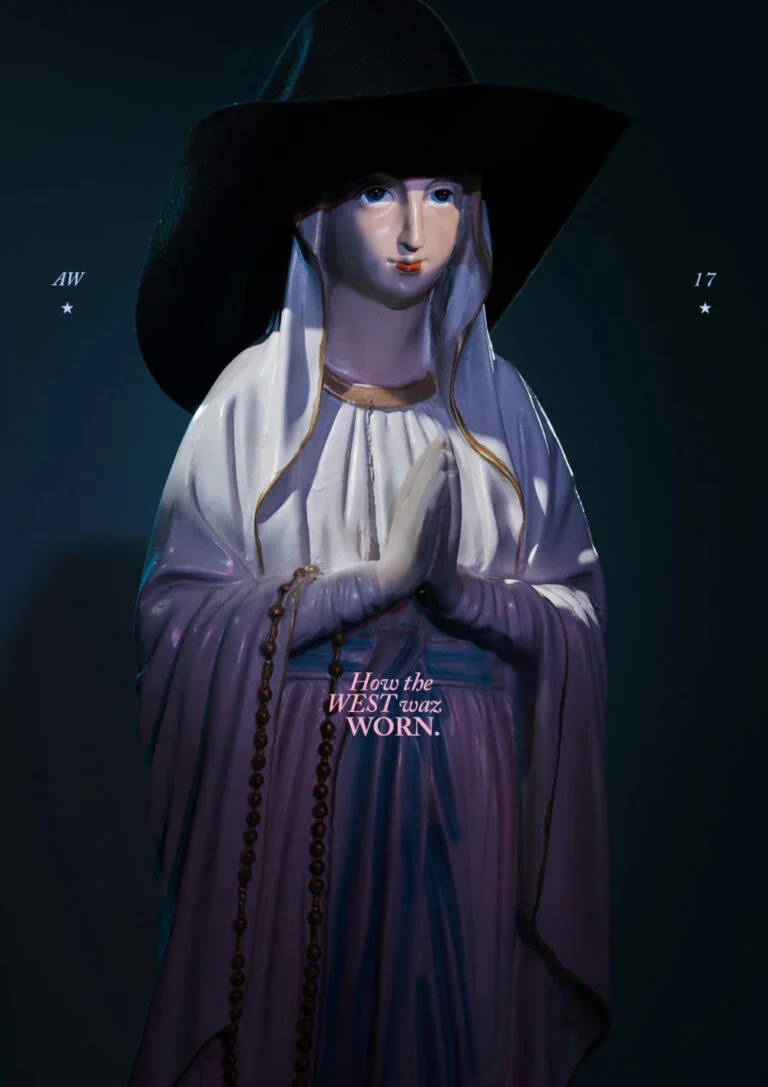
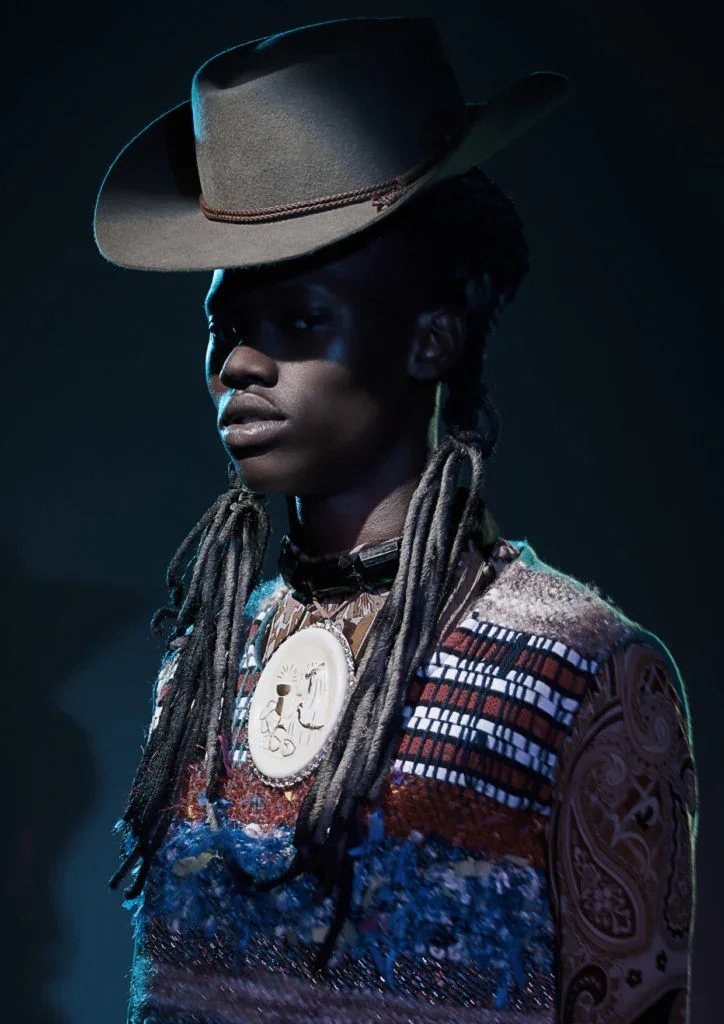
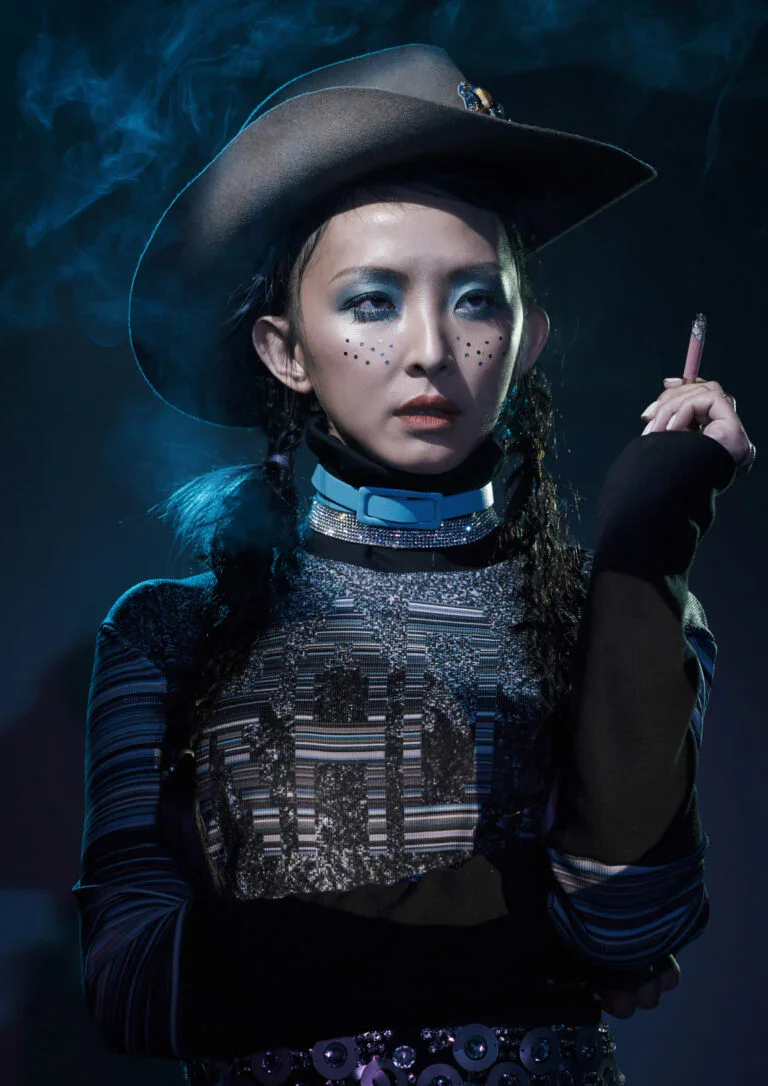
Photographer Kristin-Lee Moolman and stylist IB Kamara's popular 2016 photo series shows models in curled-brim hats in vast, arid (urban) spaces, sometimes with cactus plants in the backdrop.
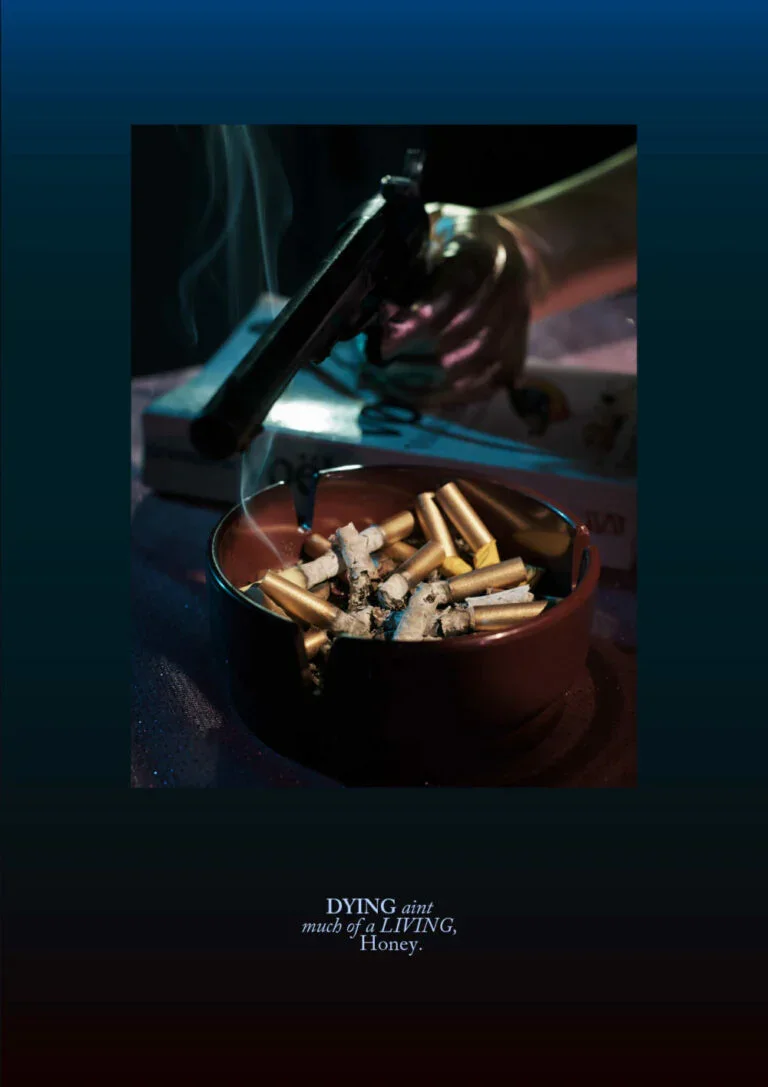
A new lookbook by headwear brand Simon and Mary similarly recalls bygone film scenes where mysterious outlaws entered railway towns, foreshadowing shoot-outs with the sheriff.
But the story behind this aesthetic is complex. In US pop culture, the Wild West is a cultural narrative that has come to personify, to some, the pioneering spirit that built the 'free world'.
Its literature and films tell romanticised tales of creation, defence and economic enterprise. The mythical characters found in middle-of-nowhere outposts have beguiled novelists, filmmakers, and fashion designers for decades – ask Clint Eastwood, Cormac McCarthy or Levi's.
Historically, the genre lauds the plight of the white man overcoming the literal wilderness and rough terrain of his plagued soul without showing remorse for the colonial destruction caused along the way. But, the tumbleweed towns and gunslingers we associate with the genre were co-opted and further popularised by Hollywood and big brands like Marlboro.
The whitewashing of westerns has marred our understanding of frontier history and led us to believe cowboys were all white men when, in reality, many were African American and Hispanic.
By and large, the horrific persecution of the Native Americans and the aftermath of the transatlantic slave trade are overlooked backstories, unjustly negated or poorly told.
The immense social, economic and political changes occurring during the Apache Wars and the integration of African Americans into the paid labour force are never thoroughly interrogated in old westerns.
Simon and Mary 'High Noon' lookbook. Concept/Art Direction by JANA + KOOS, Photography by Paul Samuels, and Styling and Wardrobe by Chloe Andrea.
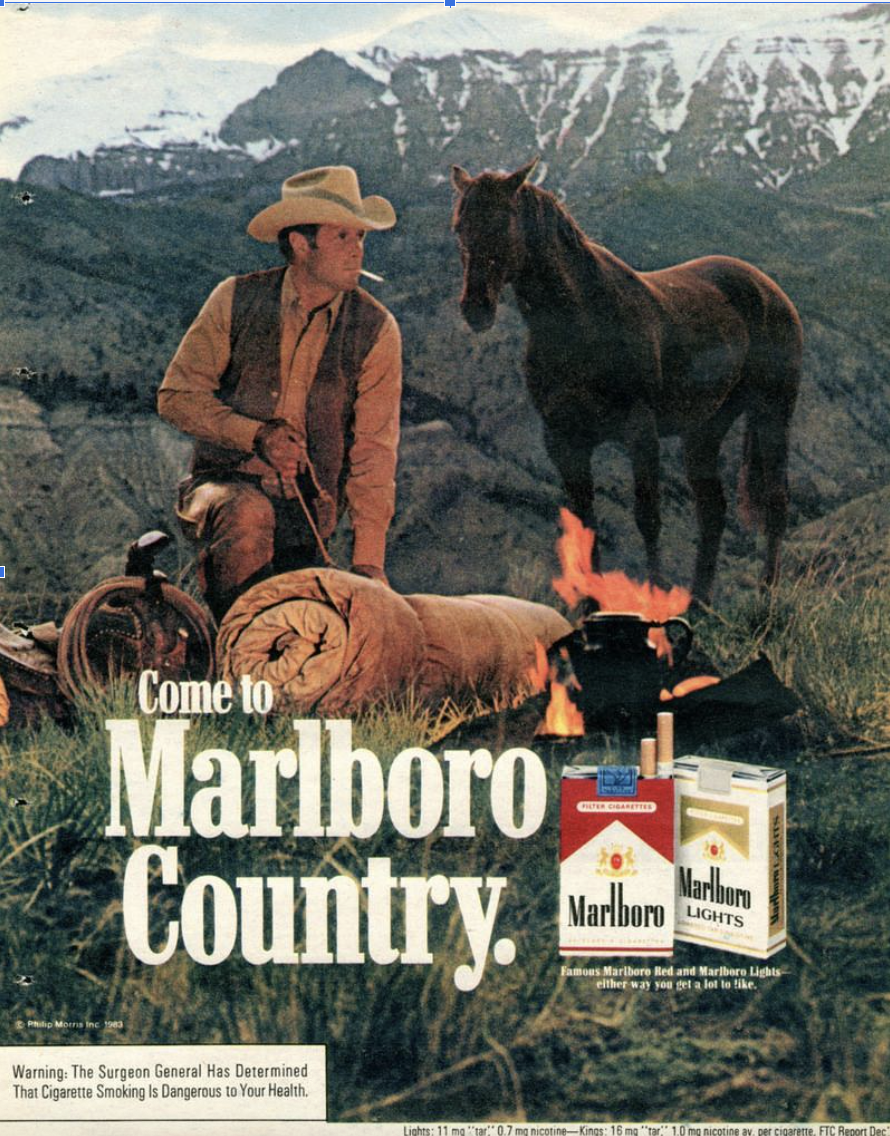
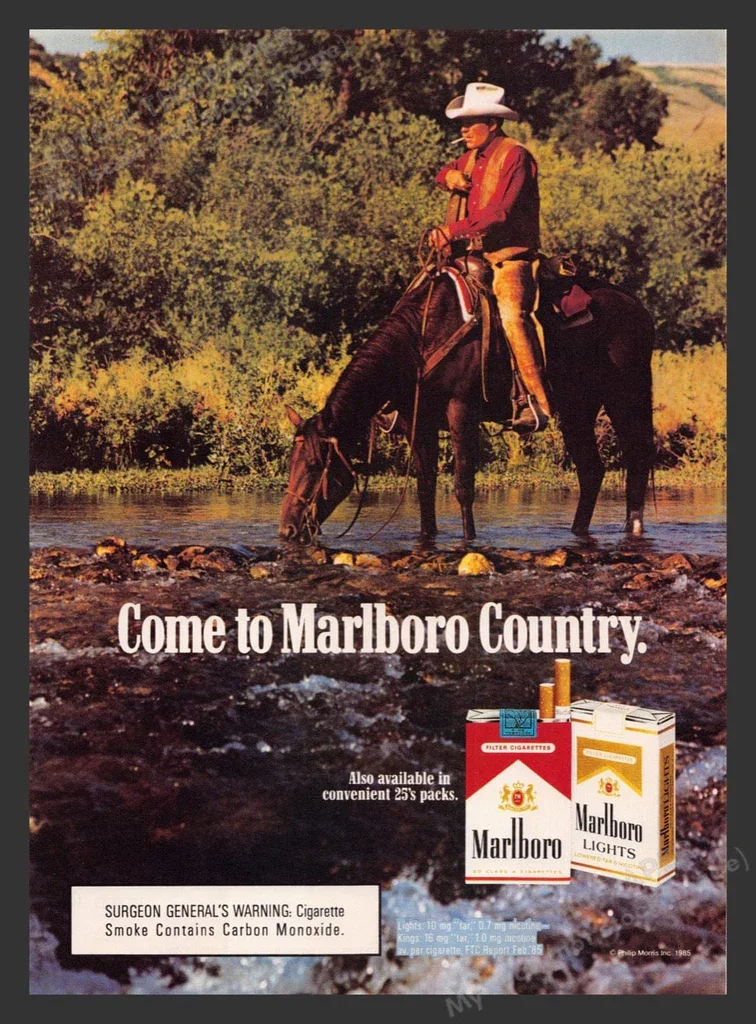
Image sourced from www.hiveminer.com
Image sourced from www.fetchthepaper.com
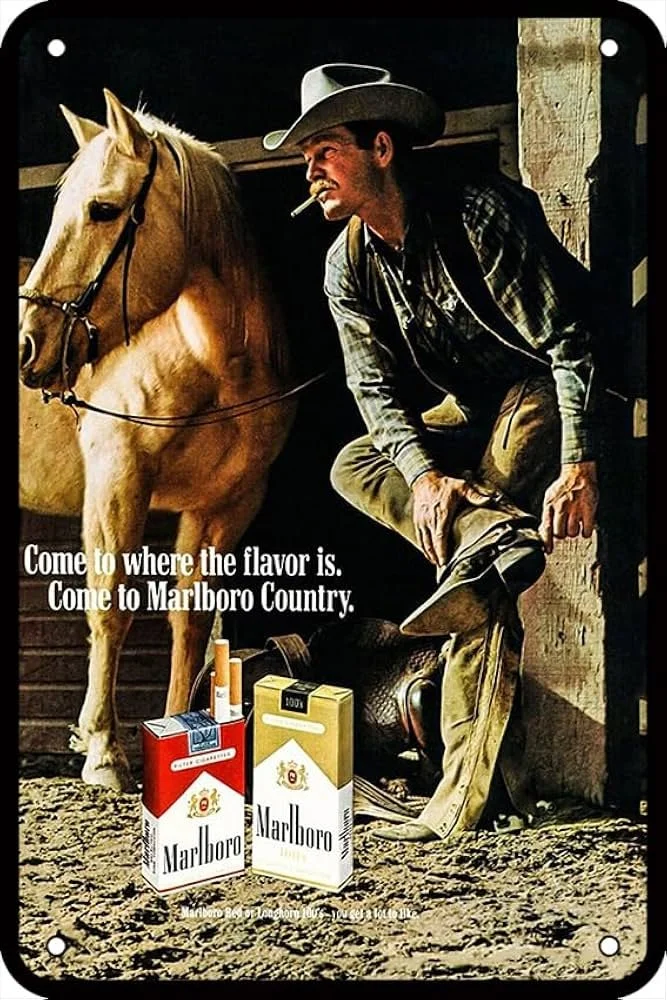
Image sourced from www.amazon.com
In the 1970s, a decade after the Civil Rights Movement gained prominence, westerns such as Man and Boy (1971) began to feature black cowboys again. This, however, paved the way for the Blaxploitation genre, creating films like The Legend of Nigger Charley (1972), which often perpetuated common white stereotypes of African Americans.
Contemporary western films such as Tom Ford's Nocturnal Animals, HBO's Westworld, Tarantino's Django Unchained, Alejandro G. Iñárritu's The Revenant, Antoine Fuqua's The Magnificent Seven and Kim Jee-woon's Korean western The Good, the Bad and the Weird reveal the genre has enduring universal themes to be revisited and revised decade after decade.
After all, metaphorically, the Wild West has symbolised new opportunities, hope, and the possibility to start over.
Like any genre, the Wild West presents a world operating within a particular framework that writers and directors can subvert to create new meaning.
With it also came a style of dress rooted in historical necessity that eventually entered mainstream fashion. Take the cowboy shirts bedazzled with rhinestones, for example, which, when worn by country singers and silver screen stars, became a classic fashion item.
Now, Stetson hats, tassels, and cowboy boots (once expressly designed for horse riding) are mass-manufactured items found at Calvin Klein and Mr Price stores. Like snakeskin, Western wear makes a comeback every few seasons on the runway, and variations of the cowboy boot are found each year in magazine articles titled "10 Best Outfits to Wear to Coachella".
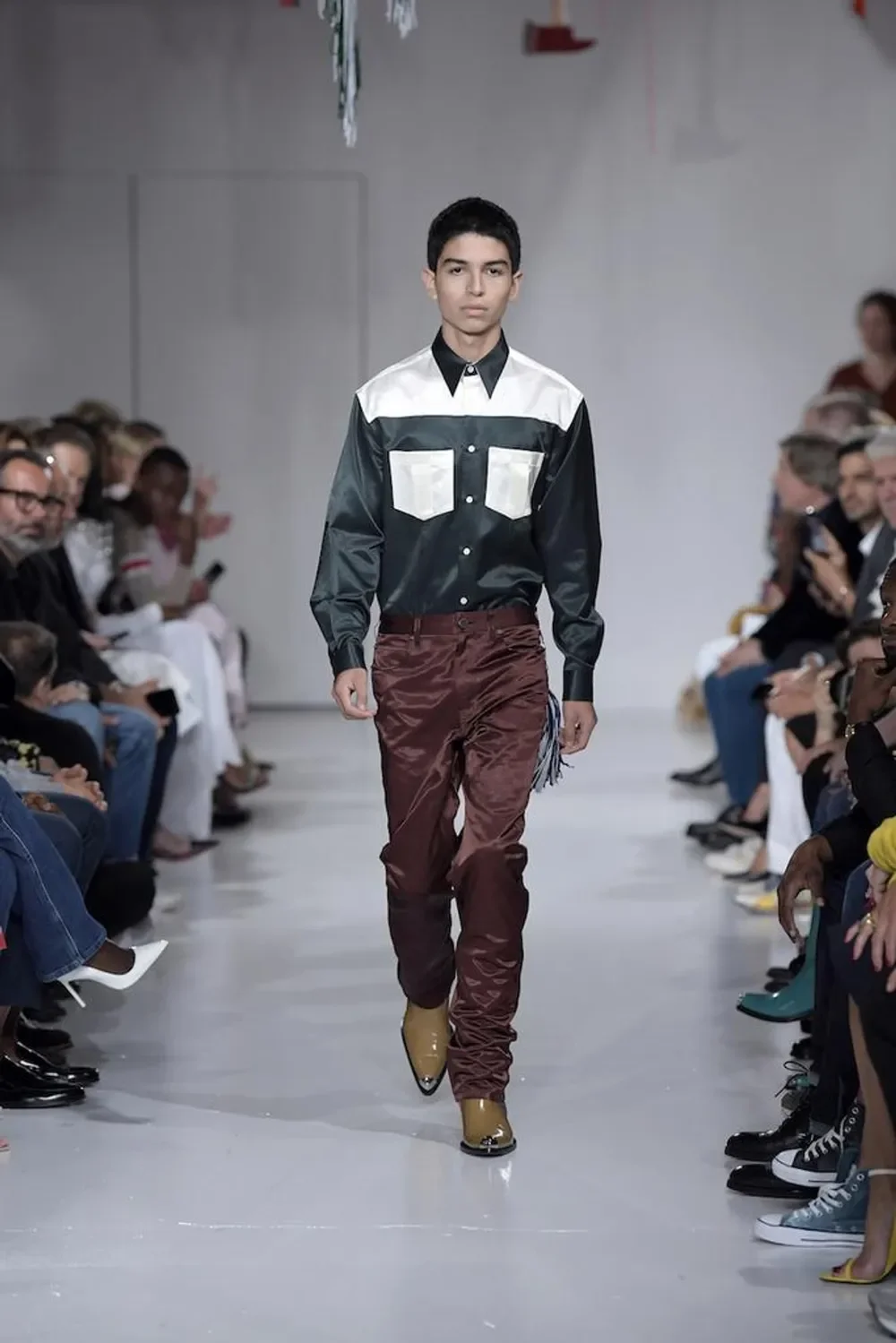
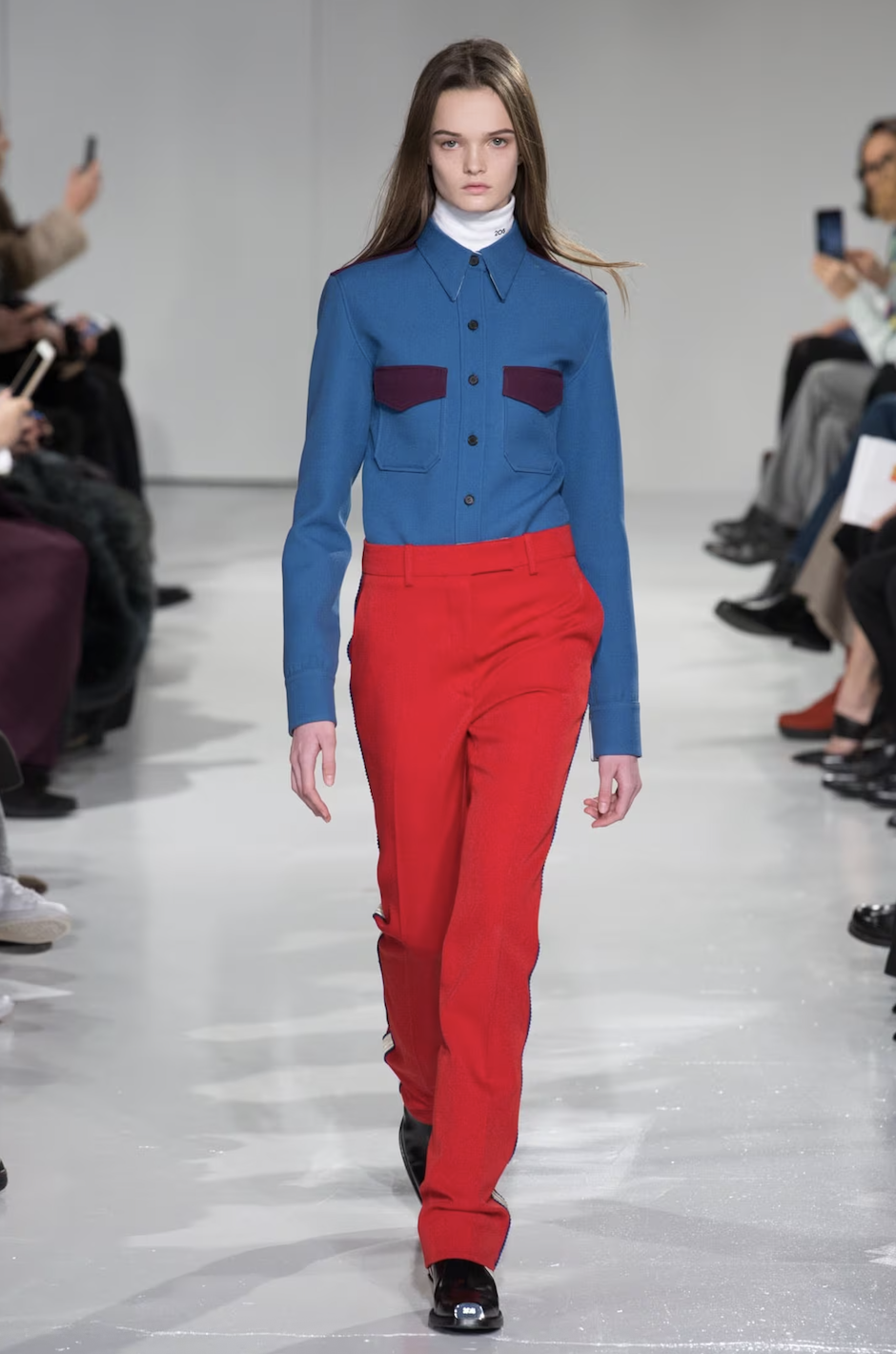
Raf Simons' 2017 debut collection for Calvin Klein included reimagined steel-toed cowboy boots, cowhide prints and kitschy cacti prints. You can't help but wonder about the correlation between reinvented clothing from yesteryear and the current status of US politics.
However the frontier myth is not uniquely American. Hollywood just made it look that way.
Here, creatives are exploring the genre on local terms. Kristin-Lee Moolman's photography places models in curled-brim hats against arid urban backdrops. Simon and Mary's High Noon lookbook, conceptualised by Jana + Koos, plays with the iconography. Michael Matthews and Sean Drummond's 5 Fingers for Marseilles is a spaghetti western set in the Eastern Cape. Jenna Bass's Flatland follows three women across the Karoo. Some playful, some political — all local.
The myth takes root wherever there's open land and contested history. South Africa has both.
*This article was published in Between 10 and 5 in 2016.
From Raf Simon’s 2017 debut Calvin Klein collection. Image sourced from Vogue.